
Mowing and edging
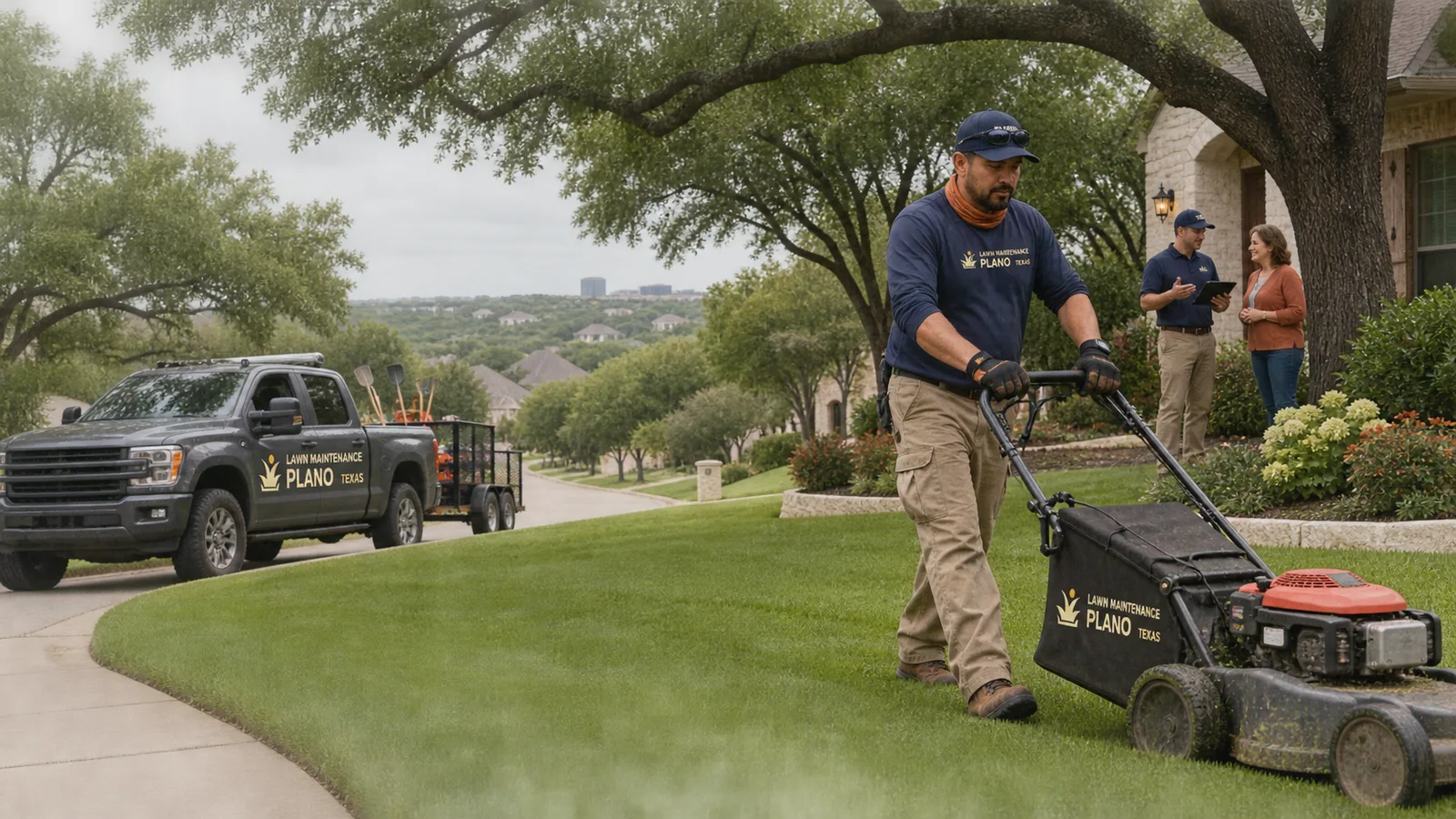
Routine visits may include mowing at a height suited to the turf, trimming around fixed objects, edging hard surfaces and clearing loose clippings from paved areas.
Serving Plano, Texas & surrounding areas
Calls answered around the clock
Lawn services · Plano, Texas
One call connects you directly with a local lawn contractor who serves Plano and handles the care your property needs.
✓One call
✓Local Plano contractor
✓You decide what happens next
Property-specific care
Lawn services in Plano TX can cover recurring mowing, edging, string trimming, seasonal cleanup, shrub trimming, weed management, fertilization, aeration and help with thin or damaged turf. The right scope depends on the grass species, sunlight, soil condition, irrigation coverage and how the property is used.
Plano lawns face long periods of heat, uneven rainfall and seasonal changes in turf growth. Warm-season grasses such as bermudagrass, St. Augustine and zoysiagrass need different mowing heights and respond differently to shade, traffic and drought stress. A contractor should identify the turf before recommending a cutting schedule or treatment plan.
Lawn Maintenance Plano makes the search simpler. We connect callers with local new page contractors across Plano, TX who handle lawn work in the area. You talk with the contractor directly, discuss the property and get the quote from that contractor. You decide whether to proceed.

Service scope
Routine visits may include mowing at a height suited to the turf, trimming around fixed objects, edging hard surfaces and clearing loose clippings from paved areas.
A contractor can assess broadleaf weeds, grassy weeds, bare areas and uneven color before discussing pre-emergent products, targeted control or a turf-specific fertilization plan.
Compacted soil can limit water movement and root growth. Core aeration removes small soil plugs, while topdressing may be used to improve the surface or smooth minor irregularities.
Leaf removal, removal of fallen twigs and cutting back suitable plant material can keep turf from being covered during periods of slower growth.
Lawn care services may include defined bed edges, shrub trimming and mulch maintenance when those tasks are included in the contractor's scope.
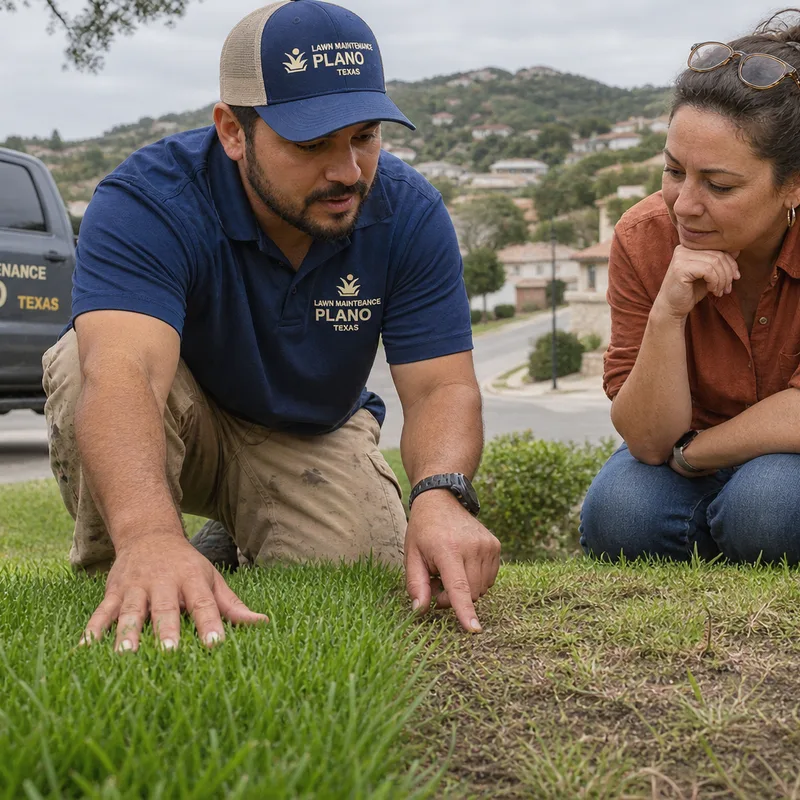
Thin turf can result from shade, irrigation gaps, compaction, disease, insects, poor drainage or mowing too low. A useful recommendation starts by separating these causes.
A direct referral
Call when you are ready to speak directly with a local lawn contractor. Calls are answered around the clock.
Your ZIP code connects you with a local contractor who serves that area.
The person you speak with is the contractor. You can discuss the property, desired service frequency, access, turf concerns and which tasks should be included.
The contractor provides the quote and explains the proposed work. You can ask questions, compare the scope with your priorities and decide what happens next.
One direct conversation
Stop working through lists of lawn companies. One call connects you with a local contractor who can discuss mowing, recurring care or a specific turf concern directly.
Work and turf detail


Helpful answers
Recurring care fits turf that needs mowing, edging and trimming on a continuing schedule, while a one-time visit addresses a defined task such as an overgrown yard or seasonal cleanup. Ask the contractor to state the visit frequency, included tasks and handling of weather-related schedule changes.
A contractor should check turf species, sunlight, irrigation coverage, soil compaction, drainage, mowing height and signs of insects or disease. In Plano's summer heat, drought stress and uneven sprinkler coverage can resemble other lawn problems, so diagnosis should come before treatment.
Mowing height should be based on the grass species and its condition. Bermudagrass generally tolerates a shorter cut than St. Augustine, while shaded or stressed turf may need a different approach. Removing too much leaf blade at once can weaken warm-season grass.
The contractor's quote should identify the work area, service frequency and specific tasks included. It should also clarify edging, string trimming, clipping cleanup, shrub or bed work, material applications, property access and any limits on hauling yard debris.
Irrigation should support the turf without leaving persistently wet areas or allowing repeated drought stress. A lawn contractor can note visible coverage problems, but sprinkler repair or controller changes should be discussed as a separate scope when needed. Mowing immediately after heavy watering can rut soft soil and produce an uneven cut.
Core aeration is appropriate when compaction is restricting root growth or water movement and the turf is healthy enough to recover. Timing should match active growth for the grass species. The contractor should also account for marked irrigation components and other shallow obstacles before aeration begins.
Ask which weeds or turf symptoms the contractor has identified, what material is proposed, where it will be applied and what watering or access instructions follow the application. A useful plan accounts for the grass species, season and current condition rather than treating every discolored area the same way.
One call to begin
One call connects you with a local lawn contractor who serves Plano. You speak with the contractor directly, review the proposed care and decide whether to move forward.